
The reason for my current detour is to do some research for the conference - to learn from one of the great masters of architectural detailing, renowned Sri Lankan architect Geoffrey Bawa. He has designed many beautiful buildings by perfectly managing spaces, repeating patterns and a great attention to detail - all with an elegant simplicity.

At the conference I will be presenting a lab session on stairs and railings (afternoon on day one), so I have been paying close attention to handrail details. Some of Bawa's details are very chunky, as per the style of the time - but they still look good several decades later.

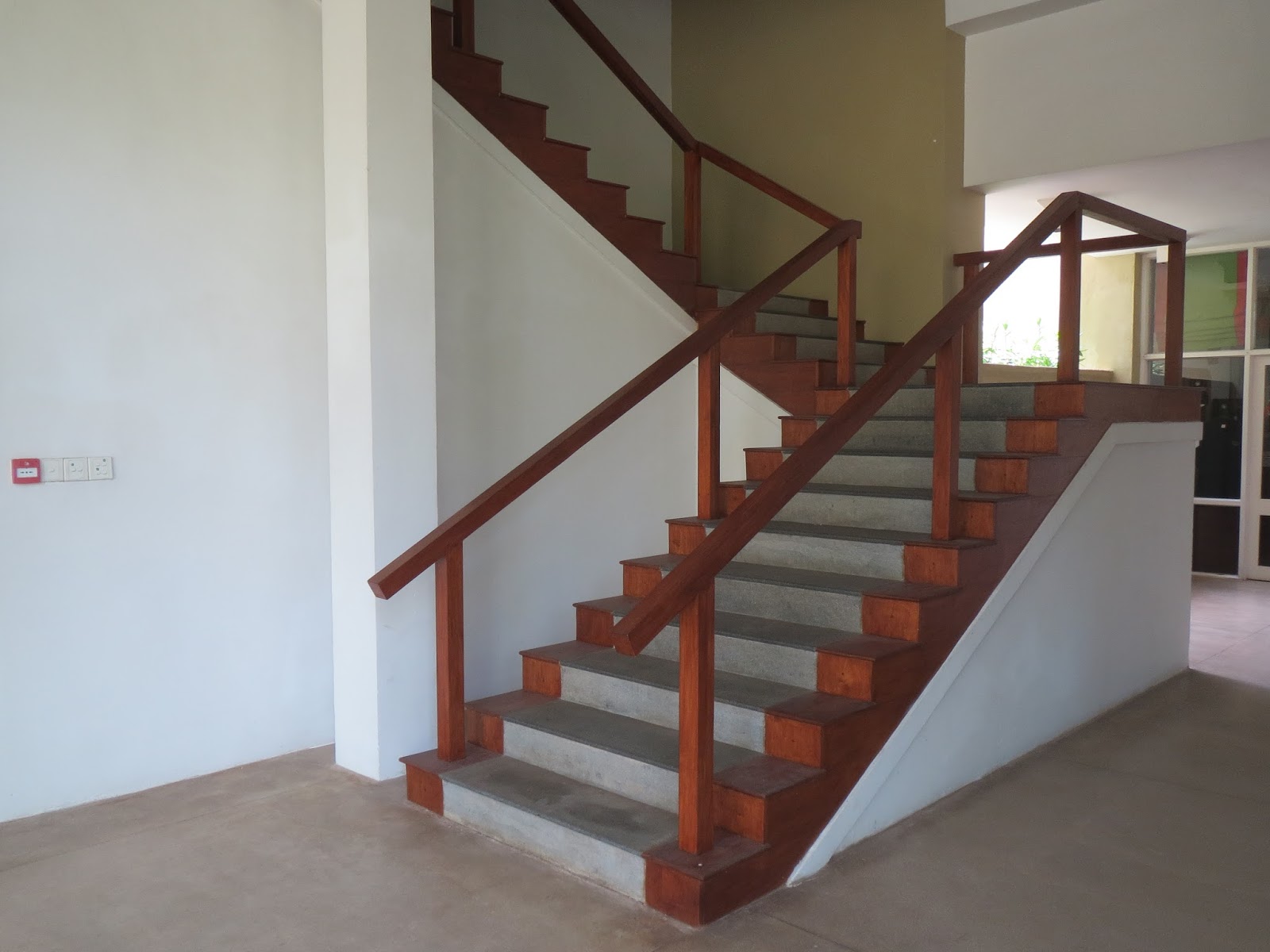
Sometimes Bawa's details are less elegant than whimsical - in fact can be downright scary, but those examples are few and far between:
 |
| 5-headed cobra handrail termination |
Railing Transitions
Handrail transitions at half landings have always been a problem for Revit to achieve neatly, but with the changes to railings in v2013 the situation actually got worse - if you try to use the new Top Rail or Handrail features. Revit seems to require lots of extra horizontal space to make the turns - as documented previously - Top Rail Transitions and Top Rail Offsets.Geoffrey Bawa detailed his handrails to transition perfectly where they turned a corner without the extra horizontal lengths that Revit insists on, as seen below:
 |
| Revit Transitions |
 |
| Bawa Transitions |

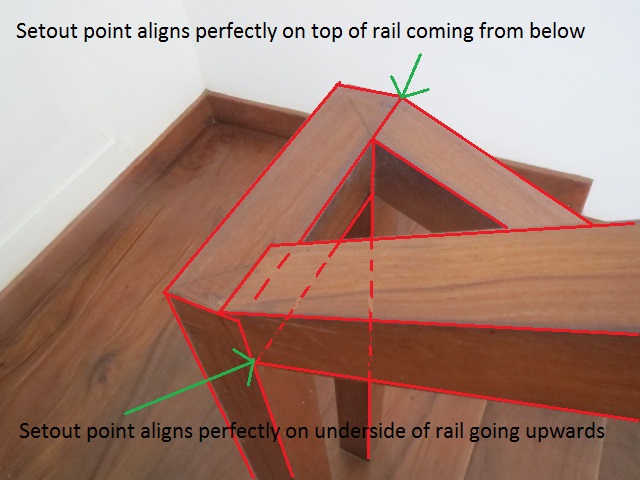
If Bawa and his craftsmen could do it perfectly, why can't Revit? Revit should learn from a great master.


